
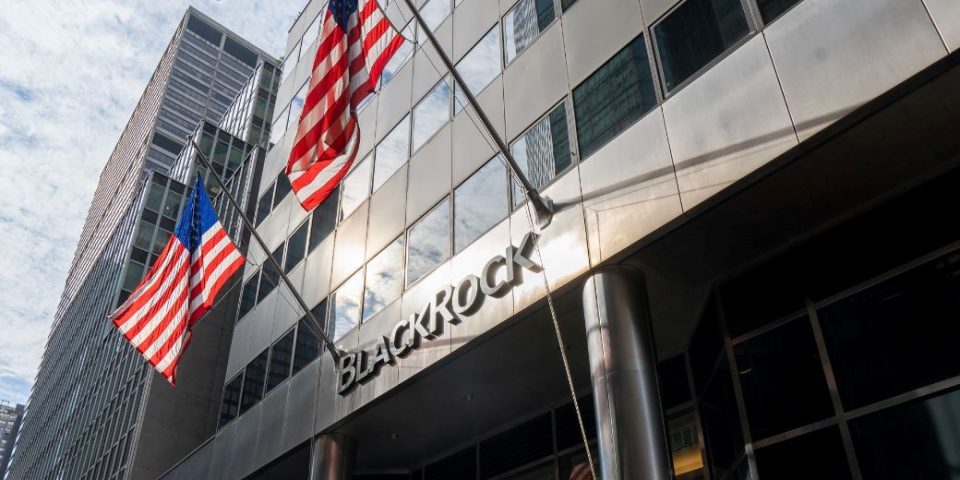
New York City Comptroller Brad Lander is urging the city’s pension fund officials to rebid contracts managing about $42.3 billion in assets currently overseen by BlackRock, Inc. (NYSE: BLK) over concerns about inadequate climate change plans. This move represents one of the most significant actions by a major public pension fund regarding expectations for asset managers’ commitment to environmental responsibility. It highlights growing pressure on investment managers to align their strategies with clear, measurable climate goals.
The pension funds under scrutiny collectively form a substantial part of New York City’s public retirement system. BlackRock, as the largest money manager for these funds, handles a wide range of index funds. Comptroller Lander’s push for a rebid arose after the pension funds reviewed BlackRock’s efforts and found their climate change-related commitments fell short of expectations. Lander is also recommending terminating smaller mandates held by Fidelity Investments and PanAgora Asset Management for similar reasons.
This rebid process is important in several ways. First, it signals an increasing insistence by public pension funds that a firm’s climate action plans must be tangible and rigorous, reflecting the financial risks associated with climate change. City pension funds have already reduced their greenhouse gas emissions financed by their investments by 37% since 2019 and aim to reach net-zero emissions by 2040. Ensuring asset managers support these goals is crucial to sustaining this progress while protecting long-term fund returns.
Second, the rebid compels firms like BlackRock to compete for business not only on financial performance but also on their environmental credibility. The city’s pension fund officials want to ensure that the managers holding billions of public retirement dollars demonstrate clear net-zero roadmaps covering all emissions scopes. This is designed to push firms toward more aggressive climate action to avoid losing clients in an increasingly competitive market focused on sustainability.
This action by New York City underscores a broader trend of large investors using their financial influence to urge investment firms to improve their stewardship on climate-related risks. It also sets a precedent for other large public pension plans considering similar demands. While the rebid raises questions about potential impacts on fund management stability, it reflects a growing view in public finance that climate risk is financial risk.
The conversation around these moves extends beyond investment firms. It is also about how public funds fulfill their fiduciary duties to manage assets responsibly amid mounting climate concerns. Comptroller Lander emphasizes that providing strong climate standards is consistent with protecting the retirements of city workers and beneficiaries.
Though legal or administrative challenges may arise from asset managers as these initiatives expand, pension funds like New York City’s are confident these climate-focused policies will withstand scrutiny. They highlight that the transition to a low-carbon economy offers economic opportunities while reducing the risks tied to fossil fuel assets that may soon become stranded.
This situation with BlackRock and New York City’s pension funds is a clear example of financial institutions facing increasing demands to demonstrate real progress on climate action. For the funds and beneficiaries involved, it is about aligning investment practices with long-term environmental and financial sustainability.
