
Three newly signed Master Service Agreements have lifted Zefiro Methane Corp.’s total to seven corporate contracts since the company bought equipment from Viking Well Service in May. The company says five of those seven agreements have already produced revenue, giving early evidence that the acquisition is beginning to contribute to its business.
Zefiro Methane Corp. (CBOE CA: ZEFI) announced the agreements todday. Two of the three new clients are publicly traded companies in the resource sector. With the additions, the company says it now has active Master Service Agreements, or MSAs, with nearly every major natural gas producer in the northeastern United States.
An MSA is a standing agreement between a service provider and a corporate customer. It does not guarantee a specific volume of work, but it can make a company part of a client’s approved supplier group, which may make it easier to receive individual work orders as projects arise.
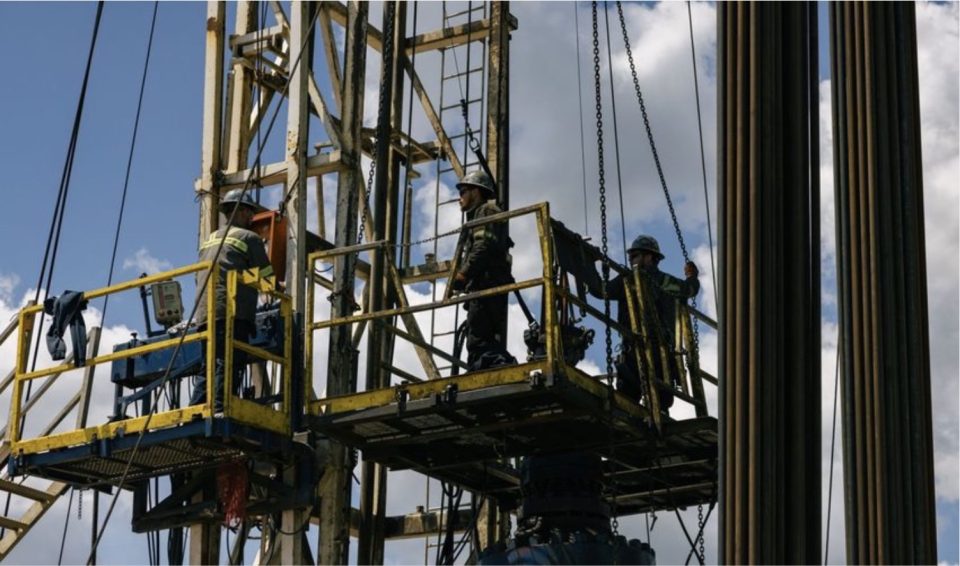
The contracts stem from Zefiro’s May acquisition of Viking Well Service’s equipment, a US$4.3 million transaction that added five derrick rigs, two rig assist snubbing units, and related machinery to the company’s fleet. The purchase also expanded Zefiro’s operating reach into New Jersey, Michigan, Indiana, Illinois, and Iowa, while adding capacity in states where it already worked.
According to Zefiro, revenue attributable to the Viking equipment, including work under the new MSAs and work for other customers, totaled about US$1.54 million across August and September. That equates to an annualized run rate of more than US$9 million, close to management’s earlier forecast that the acquisition would add roughly US$10 million in yearly revenue.
The company separately reported record fiscal 2026 revenue of US$42.5 million, an increase of 31.1% from the prior year. That figure refers to revenue rather than earnings; Zefiro also reported a fiscal 2026 net loss, although the loss narrowed from the year before.
For a well-plugging and methane abatement company, corporate MSAs can be an important form of validation. Zefiro’s senior vice president of corporate development, Luke Plants, said securing these agreements can be difficult because corporate accounts often have high barriers to entry.
Plants attributed the company’s progress to its ability to complete work on time and on budget using in-house crews. He described the seven agreements secured since May as evidence of the relationships and operating record the company has developed with oil and gas producers.
The announcement also matters commercially because it suggests Zefiro is no longer relying solely on government-funded well-plugging programs. Chief Executive Officer Catherine Flax said demand for well-plugging work remains sustained across the country, from both government agencies and private sector operators.
Zefiro operates through Plants & Goodwin, Inc., a third generation well-plugging business with more than 50 years of history. The company describes itself as vertically integrated across the well lifecycle, providing monitoring, plugging, site restoration, and carbon credit origination across 15 U.S. states.
That combination is central to its business model. Plugging old or orphaned oil and gas wells can reduce methane emissions and verified emissions reductions can sometimes be converted into carbon offsets. Zefiro has previously reported sales of carbon credits connected to its well-plugging work.
Still, the latest announcement is based on company disclosures, and the financial contribution from the MSAs remains early. Zefiro’s release notes that the amount and timing of work under these agreements may vary, and that its outlook can be affected by funding availability and commodity prices.
The seven agreements do not yet prove that the Viking acquisition will reach the full US$10 million annual revenue target. But two months of revenue, five revenue producing contracts, and a broader corporate client base give the company a more concrete early read on whether the equipment purchase is doing what management expected.
