
Energy costs touch every corner of business, from shipping goods to powering plants. When those costs climb fast, leaders take notice. This morning, the International Energy Agency (IEA) announced a confirmed plan to release 400 million barrels of oil from the strategic reserves of its member countries. That figure sets a new benchmark, more than double the largest prior effort by the group.
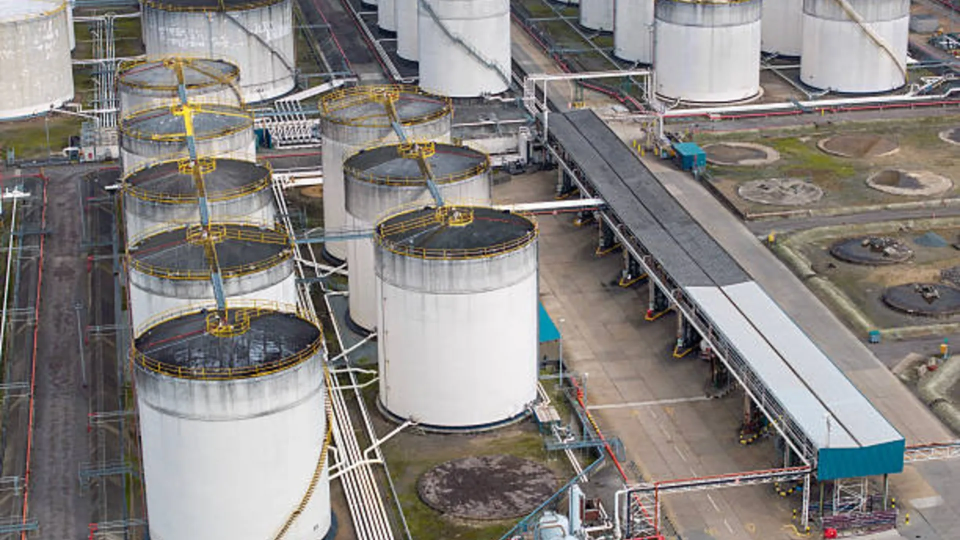
Countries built these reserves decades ago as a buffer against supply shocks. Picture large underground caves or coastal tanks filled with crude, ready for emergencies. The IEA coordinates among 32 nations, including the U.S., Japan, and European partners. They control over 1.2 billion barrels in government stocks, plus 600 million more in industry holdings under official rules. The idea dates to the 1970s oil embargoes, when sudden cuts caused recessions worldwide.
Recent events in the Middle East triggered this step. A conflict involving the U.S., Israel, and Iran, which began late February, disrupted the Strait of Hormuz. That passage handles about 20% of global oil shipments daily. With traffic halted, Brent crude prices jumped to almost $120 per barrel early this week. They have since pulled back under $90, but diesel and fuel costs linger high, stoking inflation worries for trucking firms and manufacturers.
Past actions offer context for newcomers to this topic. In 2021 and 2022, as Russia massed troops and then invaded Ukraine, the IEA organized a 182 million barrel release over two months. Members tapped reserves to ease price spikes from sanctions and export curbs. It provided short term relief, though tensions kept markets volatile. Today’s 400 million barrel commitment spans up to 90 days, with nations like the U.S. and Japan expected to lead contributions.
Talks accelerated with global coordination. G7 leaders joined a video call hosted by France this morning, following energy minister meetings in Paris. Germany and Austria committed portions of their stocks right away. Japan plans its own release starting mid March, citing heavy reliance on the region. Spain’s minister noted the 90 day window to manage logistics without overwhelming refineries.
Businesses feel these swings in real ways. Higher oil means pricier freight, which raises goods prices or cuts profits. A sudden flood of reserve oil can temper that by boosting supply and signaling government backing. Traders reacted quickly, trimming Brent further on the news. Yet volume and speed matter. At 400 million barrels over 60 days, it equates to roughly 6.7 million barrels daily, far below the Hormuz norm of 20 million.
Releasing reserves carries risks too. Stocks deplete, and refilling happens at higher future prices. The 2022 drawdown took years to reverse amid budget debates. IEA head Fatih Birol emphasized supply security in recent statements. Members must balance immediate calm with long term readiness, especially if conflicts drag on.
Daily release rates stay under discussion. Sources suggest spacing over two months or more to avoid gluts that crash prices for producers. Markets now watch execution. If Hormuz stays blocked, even this scale might cover just weeks of lost flow. Japan moves independently to stabilize its imports, showing how nations adapt.
For companies, planning around uncertainty proves key. Some lock in fuel hedges or shift suppliers to non-Gulf sources. Consumers might see steadier pump prices if the plan works. The IEA’s move highlights energy’s role in stability. One waterway’s trouble can jolt boardrooms everywhere.
This intervention arrives as prices pivot. Leaders aim to prevent deep economic hits like those from past crises. With reserves flowing soon, attention turns to results. Businesses track the data closely, knowing steady energy underpins growth.
