
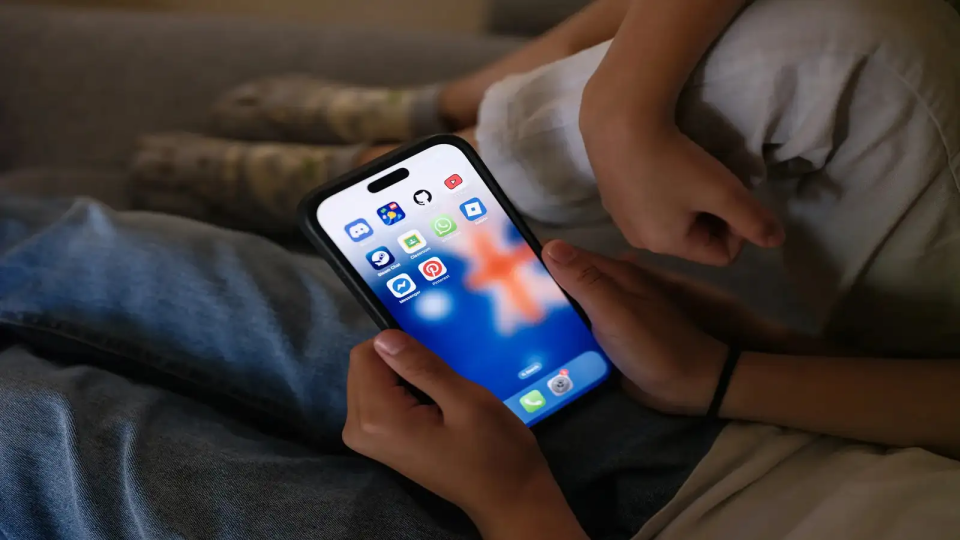
Australia’s decision to ban children under 16 from using major social media platforms is raising both eyebrows and questions around the world. The policy, which went into effect Wednesday, marks the first national measure of its kind and represents a bold, and controversial attempt to tackle growing concerns about the mental health effects of social platforms on young people.
The ban covers popular services such as TikTok, Instagram, Facebook, and Snapchat. Under the new Australian law, these companies must block anyone under 16 from creating or maintaining accounts, while adults must verify their age through government-approved identification systems. Lawmakers argue that the benefits of online connection no longer outweigh the harms for those too young to navigate algorithmic feeds or anonymous comment sections. Critics, however, say the ban risks creating more problems than it solves, from privacy to free speech.
Two Australian teenagers have already challenged the legislation in court, arguing that it violates their right to political expression. Civil rights advocates agree, warning that the law sets a concerning precedent by allowing governments to decide which online spaces young people can access. Supporters counter that children’s safety should not be left in the hands of corporations that profit from engagement at any age, calling this measure a long-overdue correction to years of inaction.
While many countries have debated youth online safety, few have gone as far as Australia in restricting access entirely. In the United States, proposals have surfaced in several states, such as Utah and Arkansas, to require parental consent for minors to hold social media accounts. Federal lawmakers have introduced bills promoting similar verification systems, though none have yet passed. The difference lies in scale: Australia has chosen to act nationally, offering a unified model where others remain fragmented by state or jurisdiction.
Other governments across Asia have moved in their own ways. China, for instance, already limits under-18-year-olds to a maximum of 40 minutes per day on Douyin, the domestic version of TikTok, and bans use during nighttime hours. In South Korea, the government has pursued a blend of digital curfews and education-focused programs, encouraging social media platforms to prioritize “youth protection zones” rather than outright bans. These approaches reflect cultural differences in how nations balance freedom and protection in the digital public square. Australia’s model strikes a more decisive tone, one that may test how far democracies are willing to go to manage online behavior.
Internationally, regulators, parents, and educators are now watching for clues about how this experiment will unfold. If the ban succeeds in reducing online harm, it could spark imitators elsewhere. But enforcement poses challenges. Age verification remains technically complex and raises privacy issues of its own. Data breaches are an ever-present risk, and critics argue that governments collecting identification data for social media access might inadvertently create new vulnerabilities.
Globally, the debate also touches on generational divides. Many parents support stronger oversight, seeing social media as an unregulated experiment on adolescent psychology. Teenagers, by contrast, often see the platforms as extensions of social life, education, and activism. When those spaces suddenly close, the sense of exclusion can feel profound. Policymakers will need to decide whether the social costs of isolation are worth the mental health gains that such bans hope to deliver.
For now, Australia’s move signals a new chapter in the ongoing effort to define digital citizenship. It shows how far one democracy is willing to go to protect its youngest users, even at the cost of controversy. Whether other nations follow depends on how the law performs, and whether the global conversation about teen mental health finally moves from awareness to action.
