
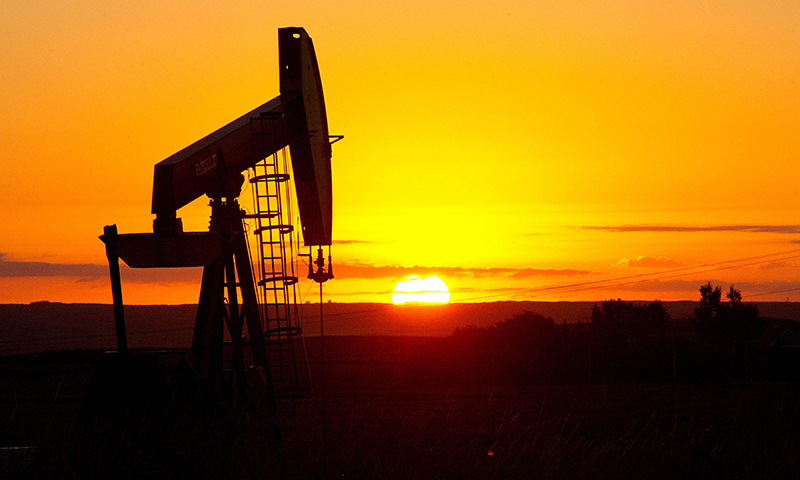
Oil markets have always been sensitive to trouble in the Middle East, where much of the world’s supply comes from. Right now, the conflict involving the U.S., Israel, and Iran has pushed prices up sharply. These benchmarks matter because Brent sets prices for most international trades, while WTI reflects what happens in the U.S. For everyday people, this means gasoline at the pump climbed to $3.91 a gallon, the highest in over three years.
Let’s step back and look at why this is happening. The Strait of Hormuz, a narrow waterway between Iran and Oman, carries about 20% of global oil. For nearly three weeks, it has been mostly closed due to the fighting, cutting off millions of barrels daily. Iran struck back after an Israeli attack on its South Pars gas field by hitting Qatar’s Ras Laffan facility, the largest LNG site in the world. QatarEnergy said repairs could take five years, and their LNG exports dropped 17%, affecting Europe and Asia. Drones and missiles keep flying, with countries in the region reporting intercepts as recently as Friday morning.
Analysts at Goldman Sachs point out that past supply shocks make high prices likely to stick around. They warn Brent could top its 2008 record of $147 if disruptions last or hit $111 by late 2027 in a bad case with low strait flows for over two months. A better outcome sees flows recovering from April, bringing prices to the $70s by end of 2026. Other views align: JPMorgan and the IEA echo that prolonged issues could keep oil above $100, though U.S. production offers some buffer as the top global producer. ING notes risks to more infrastructure could extend outages.
The U.S. feels this at home. President Trump, now in his second term, told Americans the situation would end soon and was not as bad as feared. His team boosted output to narrow the Brent-WTI gap, and the International Energy Agency coordinated a release of over 172 million barrels from reserves, including U.S. stocks. Treasury Secretary Scott Bessent floated easing sanctions on Iranian oil at sea to cool prices, despite the risks. Allies like the UK sent planners for a joint Hormuz plan, but others hesitate amid active combat. Israeli Prime Minister Netanyahu agreed to avoid hitting key Iranian energy sites again, per Trump’s call, which helped limit Friday’s price gains.
Businesses and consumers watch closely. Higher crude means airlines pay more for fuel, factories face cost hikes, and inflation could tick up. The U.S. ruled out banning its own oil exports, a move that might have helped pumps but hurt allies. Deutsche Bank notes America’s production insulates it somewhat, yet global chains feel the pinch from rerouted ships and insurance jumps. Countries dependent on imports scramble. Europe and Asia lose LNG, pushing them to alternatives like U.S. supplies or coal. OPEC members like Saudi Arabia halt shipments, tightening everything. Markets shrug off short hits but price in longer pain, with risk premiums adding $14 per barrel now.
Goldman Sachs expects upward trends unless the strait reopens soon. Their models show persistent losses from prior shocks raise the odds of triple-digit oil for years. Even if fighting eases, damaged fields and wary tankers mean supply lags demand.
This episode reminds everyone how fragile energy links are. One chokepoint closed shifts prices worldwide. Governments balance military needs with economic calm, while firms stockpile. What this shows is why oil swings matter beyond headlines: they ripple to groceries, travel, and growth. As talks continue, markets bet on resolution but brace for more volatility.
