
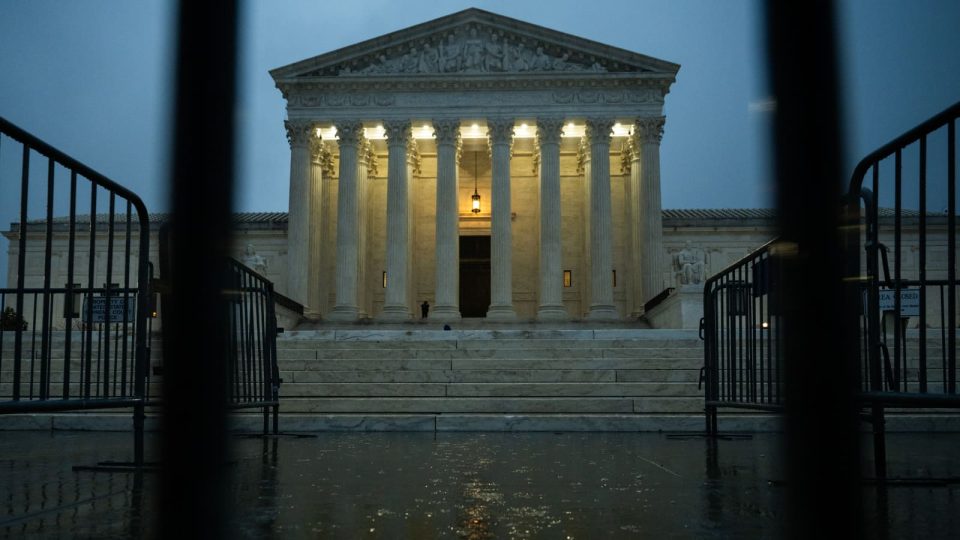
FedEx Corporation (NYSE: FDX) stepped into a U.S. courtroom this week with a clear goal. The company wants every penny back from tariffs it paid under orders from President Trump last year. This move comes right after the Supreme Court ruled those tariffs unlawful under the International Emergency Economic Powers Act, or IEEPA, a law from 1977 meant for true emergencies, not broad trade taxes. FedEx told the U.S. Court of International Trade that the payments hurt its bottom line, and only a full refund can fix that damage.
The tariffs in question hit imports from places like China, India, and Brazil, covering everything from steel to electronics. Companies paid up front to get goods into the U.S., passing some costs to customers through higher prices. Now, with the court’s decision, importers see a path to reverse those hits. FedEx processes millions of packages daily across borders, so its stake runs high. The firm did not name a dollar figure in its filing, but logistics giants like it absorbed billions overall.
Costco Wholesale Corporation (NASDAQ: COST) got there first among big names. It sued back in late 2025, arguing IEEPA never mentions tariffs or anything close. The retailer worried its import records would “liquidate,” locking in payments forever without a fight. Costco pushed for refunds before deadlines hit, setting a model others followed. Revlon, no longer public after its bankruptcy, joined early too. It claimed the same law twist made its payments invalid and sought court orders to block final tallies. These three show how even different sectors, from retail to beauty to shipping, feel the pinch the same way.
Alcoa Corporation (NYSE: AA) piled on in November 2025. It hooked into a bigger case cluster, demanding back all duties as steel and aluminum rates climbed to 50% last summer. Toyota Group subsidiaries took action around the same time. Toyota Tsusho America, its Canadian arm, and another electronics unit filed to protect refunds before January 2026 deadlines. The auto world faced steep duties on cars, steel, and aluminum, with Toyota alone eyeing $1.3 billion in losses over months.
This refund chase builds on a flood of suits. Court records show over 1,000 companies involved by early 2026, from Goodyear Tire & Rubber Company to Dole Fresh Fruit Company and even BYD, the Chinese EV maker. Many filed “protective” claims pre-ruling to lock in rights, fearing the Trump administration would not cut checks automatically. The Court of International Trade handles these exclusively, per the Supreme Court, giving firms a single shot at relief. Groups like the National Retail Federation cheered the clarity, calling refunds a boost for reinvestment in jobs and growth.
Legal experts watch for a $150 billion clash if all claims stack up. Importers brace for drawn-out battles over liquidation dates, where Customs and Border Protection could close books on old entries. FedEx stressed the court’s power to order cash back, citing the ruling’s green light. Smaller firms joined too, like Bumble Bee Foods and Yokohama Tire, proving no importer wants to leave money on the table.
Businesses now treat tariffs as reversible costs, not sunk ones. Years of absorbing duties shaped pricing and supply chains, from warehouses to store shelves. A win here could flood companies with cash for expansion or price cuts. Yet government appeals loom, testing how far courts push on trade powers.
Picture tariffs as a border tax importers pay first, then decide how much to charge buyers. IEEPA let the president act fast in crises, but companies say trade wars stretched it too far. The Supreme Court agreed, opening refund doors. FedEx and peers argue prompt action stops permanent losses.
These cases reshape how firms plan around policy swings. Leaders at Costco and Alcoa built war chests from early filings, while latecomers like FedEx hustle to catch up. Outcomes will echo in boardrooms, teaching caution on emergency trade moves. Trade lawyers predict consolidated hearings to speed things, but billions hang in balance.
Global supply chains evolved under tariff pressure, with some shifting factories or sources. Refunds might ease that pain, letting firms rebuild margins. Watch the Court of International Trade for next steps; its calls decide who keeps the cash.
