
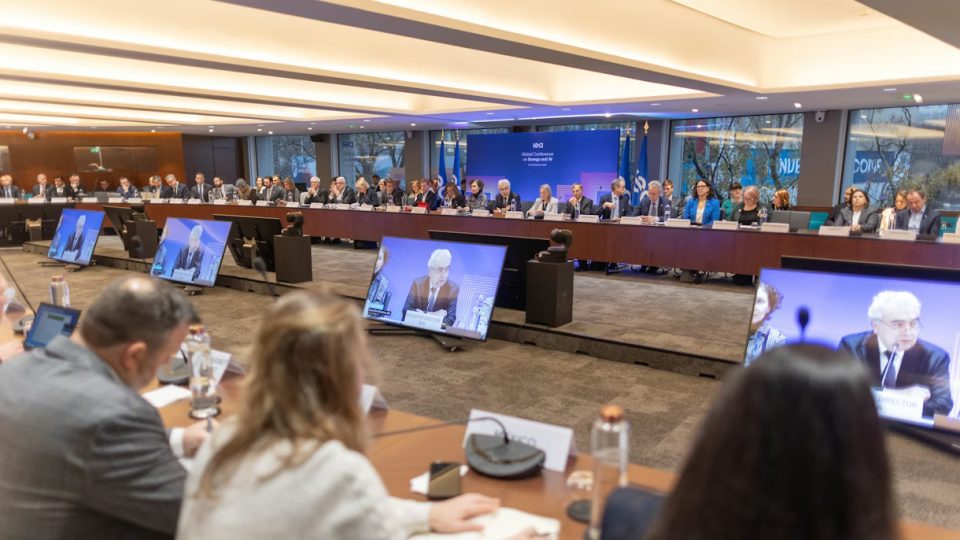
Countries around the world handle energy and climate in ways that often clash. Groups like the International Energy Agency (IEA) step in to monitor supplies, forecast trends, and offer advice on topics from fossil fuels to renewable shifts. During the current IEA biennial ministerial meeting in Paris, agency head Fatih Birol highlights growing rifts. He ties these splits to broader cracks in global politics, with nations charting separate courses on energy and emissions.
The U.S. leads one side of this divide under President Trump. Just last week, his administration repealed a major Environmental Protection Agency rule on emissions control. Withdrawals from the Paris Agreement and the UN Framework Convention on Climate Change came earlier. China, by contrast, expands electrification at a rapid pace. Europe advances too, but with pauses. Birol observes that climate priorities now rank lower on the world stage.
European shifts add complexity. The European Union adjusted its 2040 emissions reduction goal downward last year. It also relaxed timelines for phasing out combustion engines by 2035. Canada sees rising energy emissions as Prime Minister Mark Carney defends oil and gas against U.S. trade pressures. These choices reflect local needs over unified action, making joint efforts harder.
U.S. Energy Secretary Chris Wright voices strong views at the Paris event. He dismisses the IEA’s 2050 net zero scenarios as absurd. Wright wants the agency to focus solely on energy security data, free from what he calls favoritism toward European or American politicians. He hints at U.S. departure if climate advocacy dominates. This follows the IEA’s November update, which sees oil and gas demand climbing for 25 more years based on existing policies. Birol replies that the group serves member governments’ directives.
The IEA still draws interest despite U.S. reservations. Colombia enters as a full member, expanding the group to 33 countries. India progresses to full membership, Brazil begins the process, and Vietnam gains associate status. Dutch Energy Minister Sophie Hermans, who chairs the meeting, advocates practical climate measures. She notes businesses require stable policy signals on tools like CO2 permits for industry, yet flexibility suits volatile geopolitics.
Critical raw materials emerge as a shared concern. Elements such as lithium, cobalt, and rare earths fuel batteries and clean energy tech. China controls most supplies, prompting calls for broader sources. Birol and Hermans urge collaboration with aligned partners for better data and resilient chains. Meeting talks aim to advance these steps, vital for global business stability.
Investors feel these tensions directly. Energy companies navigate rules that vary by country. Fossil fuel producers may gain where emissions face less scrutiny. Clean technology firms target supportive markets like China or select European zones. Demand for minerals boosts mining prospects beyond single suppliers.
Trade frictions, such as U.S. moves on Canada, impact costs across industries. Evolving regulations shape manufacturing and commodity values. Hermans’ pragmatism underscores adaptation to realities.
The Paris discussions reveal this push and pull. Security concerns often outweigh ideals. Forward-looking enterprises monitor these patterns to adjust strategies.
Global energy policy evolves through such debates. Persistent issues like supply vulnerabilities demand cooperation. The IEA provides essential data amid the noise. Businesses that grasp these shifts position themselves wisely.
