
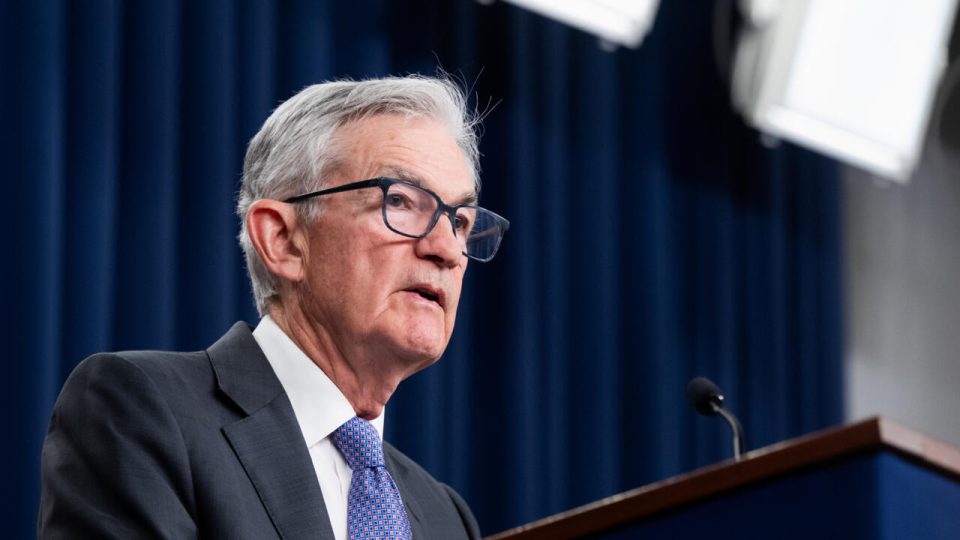
Central bankers from major economies around the world came together this week to voice strong support for Jerome Powell, the chair of the U.S. Federal Reserve. This move followed a sharp public dispute between Powell and the U.S. President, sparked by a criminal investigation from the Department of Justice. The bankers framed their backing as a defense of the core idea that central banks should operate free from political sway, a principle they see as vital for steady prices and economic health.
Everything started when federal prosecutors subpoenaed the Federal Reserve last Friday over Powell’s testimony to Congress last year. That testimony covered a large renovation project for the Fed’s headquarters in Washington, D.C., which cost around $2.5 billion. Powell addressed the nation on Sunday in a video message, calling the probe a pretext tied to the administration’s frustration with the Fed’s decisions on interest rates. He explained that the real issue boiled down to whether the Fed could base its policies on economic data alone or bend to outside demands.
For reference, The Fed acts like the U.S. economy’s thermostat, adjusting interest rates to keep growth balanced and inflation in check, usually targeting 2% annual price increases. Central banks worldwide handle similar jobs for their countries or currency zones. Powell, appointed originally by Trump in 2017, has held that post through multiple administrations, always stressing decisions driven by facts over favoritism.
Earlier this week eleven central bank leaders released a joint statement that read, in part, “We stand in full solidarity with the Federal Reserve System and its Chair Jerome H. Powell.” They praised him as someone who “has served with integrity, focused on his mandate and an unwavering commitment to the public interest,” adding that he remains “a respected colleague who is held in the highest regard by all who have worked with him.” Signatories included Christine Lagarde, president of the European Central Bank; Andrew Bailey, governor of the Bank of England; Tiff Macklem, governor of the Bank of Canada; and others from Sweden, Switzerland, Denmark, Australia, South Korea, and the Bank for International Settlements.
This group represents institutions overseeing vast sums and diverse economies, from the eurozone’s 21 nations to Australia’s resource-driven markets. Their statement highlighted how central bank independence fosters trust: without it, short-term politics could lead to runaway inflation or recessions. They called for preserving that freedom while respecting laws and elected leaders, striking a careful balance.
Powell did not back down in his remarks. He noted his long service across Republican and Democratic presidents, always prioritizing the Fed’s dual goals of stable prices and maximum employment. “Public service sometimes requires standing firm in the face of threats,” he said, vowing to keep doing his job as confirmed by the Senate. This comes after a year of public barbs from Trump, who has criticized Powell for not cutting rates faster to ease federal debt costs and labeled him harshly in interviews.
Former Fed chairs have echoed this support. Janet Yellen called the probe “extremely chilling,” warning it risks turning the U.S. into something unstable. Ben Bernanke and Alan Greenspan also backed Powell and the Fed’s autonomy. Powell plans to step down in May 2026, but Trump may name a successor soon.
For business readers, this episode underscores risks to economic predictability. Independent central banks help companies plan investments without fearing sudden policy flips from election cycles. If politics overrides data, firms might face higher borrowing costs or volatile currencies, hitting everything from supply chains to stock values. Recent history shows this: post-2008 rules strengthened oversight to avoid repeats of past crises.
Global trade ties make this U.S.-centric story relevant everywhere. A weakened Fed could ripple through dollar-based loans and commodity prices, affecting Canadian exporters or European manufacturers alike. Bankers’ unity signals worry that eroding one major central bank’s freedom might encourage others worldwide.
Central bank leaders worry this probe could sway future rate choices, especially with U.S. inflation hovering and growth slowing. Markets reacted mildly Tuesday, but longer-term faith in institutions matters more for sustained confidence. Powell’s backers bet their statement reinforces that global norm, reminding everyone why separating money policy from daily politics took decades to build.
