
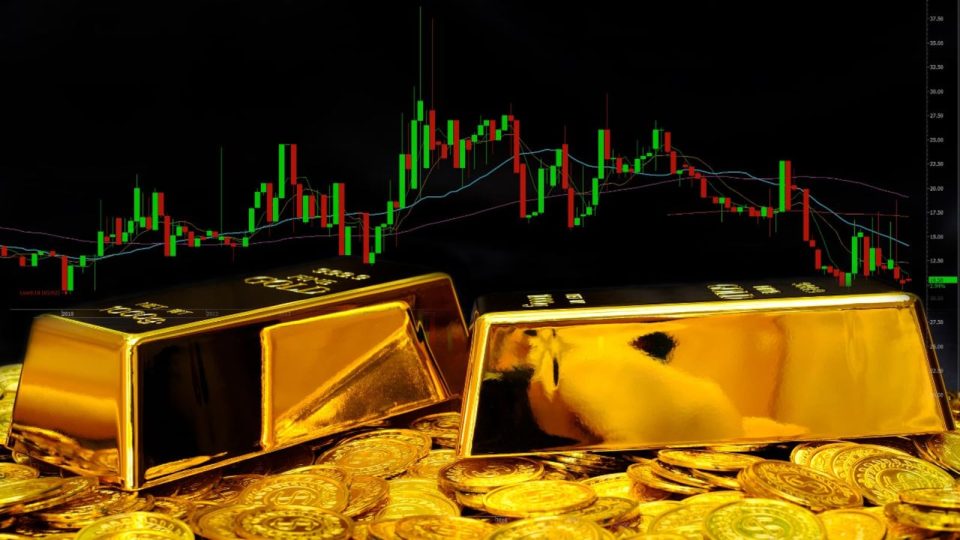
Investors staring at their screens on Friday morning did not see the shimmer they’re used to from gold. Instead, they watched as gold prices slid again, continuing a quiet losing streak and dashing any immediate hopes for a rally. For those who have spent the year marveling at the precious metal’s strength, this latest development feels almost jarring. But the explanation is pretty simple, and it has everything to do with what’s happening across the currency and policy landscapes.
If you follow markets at all, you know that gold often acts as a kind of emotional thermometer for investors, it tends to glow brightest when nerves are frayed and global events feel unpredictable. This time, however, even a glint of anxiety from the usual suspects could not save gold. What happened was a blend of a stronger U.S. dollar and sunny news coming out of fresh trade negotiations, both of which tend to sap gold’s appeal as a safe harbor.
As of Friday, the going rate for spot gold dropped by about 0.7%, landing near $3,343.69 an ounce, while futures for delivery in the U.S. also shed some of their shine. The move tracked a persistent strengthening of the U.S. dollar that made gold look expensive for anyone trading in other currencies. Add to that a bump in the yield on U.S. Treasury bonds, and the picture becomes clearer for why money moved out of gold and into other assets this week.
Every gold watcher knows that the dollar and gold are like two kids on a seesaw. When the dollar goes up, the price of gold almost always goes down. Since gold gets priced in U.S. dollars, any uptick in the greenback immediately makes gold a pricier proposition internationally, and that hurts demand from buyers living outside the U.S. This exact dance played out in July as the dollar firmed up against other currencies, leading to a steady drip lower in gold prices.
But currency only tells half the story. The other big factor is what’s happening with international trade. Positive rumors followed by confirmation that the U.S. is making progress with the European Union and Japan sent traders scrambling to reduce their exposure to assets typically considered “safe havens” in favor of stocks and other riskier investments. There’s a sense in the air that the worst-case scenarios swirling around tariffs and cross-border retaliation may not materialize, or at least not as soon as once feared. When the mood swings from nervous to cautiously optimistic, gold is usually the first asset to feel a chill.
These shifting winds have not gone unnoticed by analysts and market strategists. Many say that the appetite for gold was already showing signs of retreat earlier this week. As soon as headlines suggested that new tariffs might not be coming after all, it felt as though everyone was looking for a reason to step back from their gold holdings and try their luck elsewhere. That pullback was further compounded whenever the dollar caught an updraft.
What’s especially interesting is how quickly market sentiment can change. In the middle of July, you could have made a good case for gold nearing a record high, especially with inflation still looming and some odd political intrigue about Federal Reserve leadership. Yet the real surge investors were waiting for never quite materialized. Without an immediate shock event, such as an interest rate cut or a Federal Reserve appointment shakeup, both of which now seem like distant possibilities, there’s not much reason for gold to break its ceiling before the end of the month.
Looking forward, all eyes are now on the upcoming Federal Reserve meeting. Most investors expect the Fed to keep rates steady for now, which is another subtle weight dragging gold lower. Any genuinely sustained rally will likely require a new source of uncertainty: think global instability, a surprise in bond markets, or perhaps a sudden policy pivot. Absent that, the slow bleed could continue.
All this leaves gold enthusiasts in a familiar bind, torn between long-term optimism and short-term frustration. If there’s one takeaway, it might be this: for now, the shine is in the dollar and the risk-on trade, not in gold’s famed glow.
