
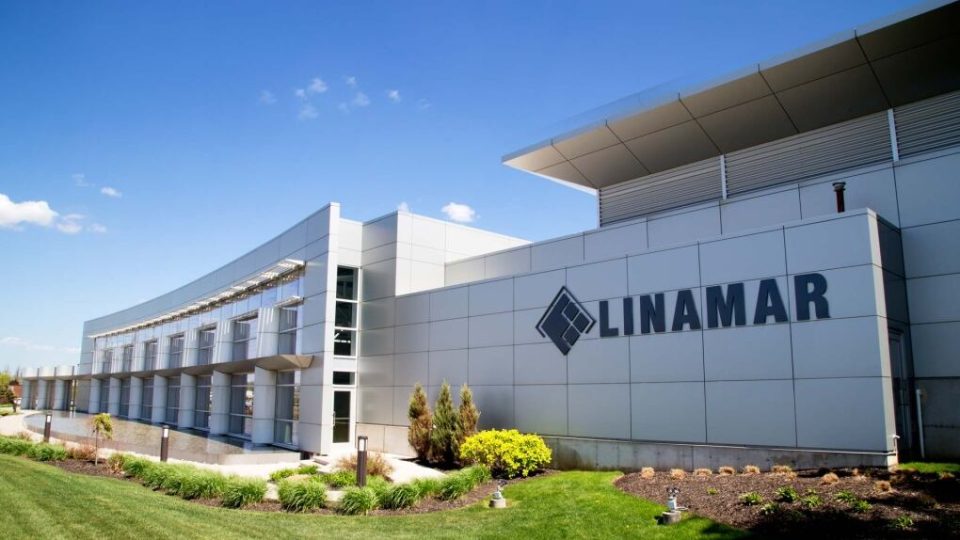
Linamar Corporation (TSX: LNR, OTCQX: LIMAF) is making a significant move to expand its manufacturing footprint in the United States through a $300 million acquisition of select North American assets from Aludyne Incorporated. This strategic investment enhances Linamar’s capabilities in aluminum casting, precision machining, and product design, specifically within the structures and chassis area of its automotive business. The move highlights Linamar’s commitment to strengthening its presence in the U.S. amid a complex and evolving global trade environment.
Aludyne, known as a leading Tier 1 automotive supplier, specializes in lightweight aluminum chassis and structural components such as knuckles, subframes, control arms, and axle housings. These products complement Linamar’s existing portfolio and will be integrated into its Structures Group within the Mobility segment. This integration supports Linamar’s focus on propulsion-neutral components, a strategy that prepares the company for both traditional internal combustion engines and the growing electric vehicle market.
The timing of this acquisition is particularly relevant given the increasing complexity of manufacturing and trade regulations between Canada and the U.S. Establishing a stronger local manufacturing presence enables Linamar to better navigate regulatory compliance, tariff changes, and supply chain challenges. Linamar’s CEO, Jim Jarrell, emphasized that the acquisition will improve supply chain stability for original equipment manufacturer (OEM) customers by ensuring faster local responsiveness and reducing risks tied to geopolitical uncertainties.
Financially, Linamar is in a strong position to fund this acquisition using available liquidity and credit facilities, without compromising its financial health. The company recently reported healthy operational performance and reduced debt, factors that contribute to its ability to absorb this deal smoothly. The purchase is expected to close within 30 days, pending regulatory approval, and Linamar anticipates the acquisition will quickly add value to its business.
With a global workforce of about 34,000 employees across 75 facilities in 19 countries, Linamar operates in diverse sectors including automotive mobility, agricultural and industrial equipment, and emerging markets like MedTech and robotics. This acquisition fits well within the company’s long-term vision of diversification and innovation, expanding its technological expertise in casting, forging, and machining to enhance vehicle safety and performance.
By increasing its manufacturing capacity in the U.S., Linamar strengthens its competitive position in a market shaped by electrification trends and supply chain realignments. The integration of Aludyne’s advanced technology and skilled team is expected to create new opportunities for growth in structural casting, product design, and precision manufacturing. This positions Linamar to better meet evolving customer demands both locally and globally.
Linda Hasenfratz, Linamar’s Executive Chair, highlighted the acquisition as a critical step toward reinforcing the company’s leadership in lightweight aluminum casting and machining, technologies essential for the development of future vehicle architectures that balance functional requirements with safety standards. This reflects Linamar’s commitment to innovation while maintaining a sustainable business model.
Ultimately, this expansion reflects Linamar’s balanced approach to growth, carefully managing the interests of stakeholders, customers, employees, and shareholders. The company’s experience with previous acquisitions inspires confidence that it will successfully integrate Aludyne’s assets, creating a stronger platform for future opportunities.
As the automotive industry transitions from traditional powertrains to electrification, the ability to be agile and have a local manufacturing footprint is increasingly valuable. Linamar’s $300 million investment not only expands production capacity but also enhances the company’s strategic ability to serve changing markets with advanced, propulsion-neutral structural components, driving long-term success in a competitive landscape.
