
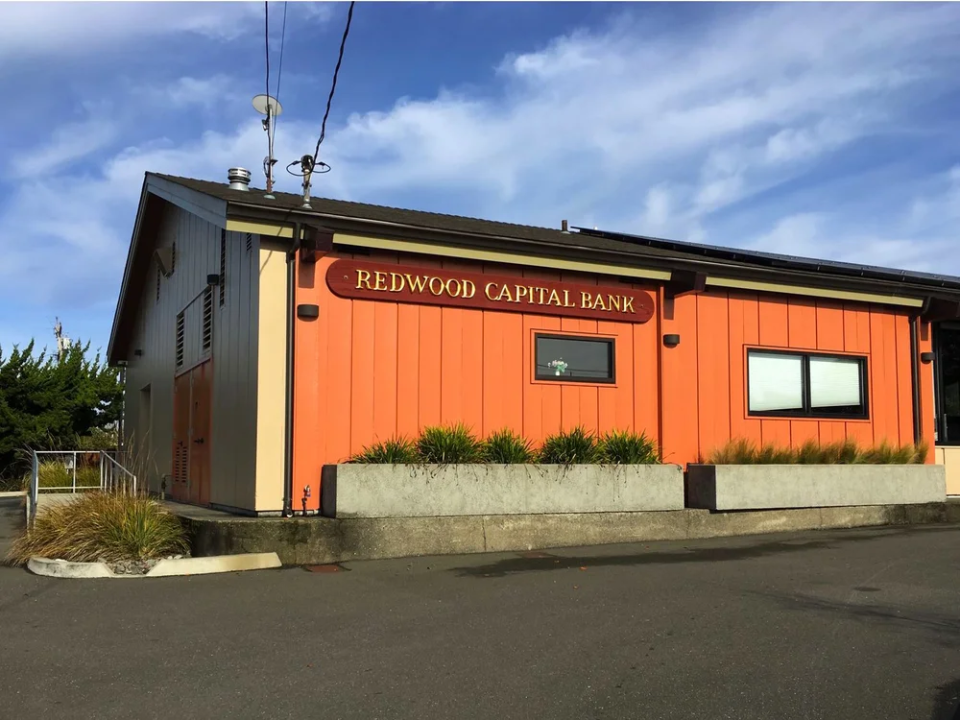
Redwood Capital Bancorp (OTCQX: RWCB) just unveiled plans for a fresh stock repurchase program, with its board greenlighting up to $1 million for buying back shares. If you have not looked closely at this locally rooted bank in Eureka, California, the announcement marks another chapter in the company’s ongoing strategy to reward shareholders for sticking with it. The board made this move immediately after wrapping up a previous buyback, which saw the company pull back 42,380 shares of its common stock from the market.
This new repurchase plan bumps out the prior authorization. The green light is effective right away and will run until December 31, 2025, unless the board steps in to extend or finish it sooner. The main idea, according to Redwood CEO John E. Dalby, is to keep sending a clear signal to investors about both the company’s confidence in its own financial health and its willingness to deploy capital in pursuit of lasting returns for shareholders. Dalby put it simply: the first buyback went well, bolstering confidence in the bank’s outlook and profit potential.
Stock buyback programs are nothing new, but for smaller, locally owned banks like Redwood, they mean even more. In rural markets, liquidity can be limited and investors often want assurance that their shares remain worth holding onto. A repurchase program offers a way for the board to directly manage the share count and potentially lift the value for existing investors. However, programs like this are far from rigid. Redwood’s approach includes flexibility: the company is not locked into buying a set number of shares, and the board retains full control to pause or end the program if market conditions shift, if the price of shares climbs higher than expected, or if better investment options pop up.
All transactions for the buyback, whether on the open market or via private deals, will be run in line with Rule 10b5-1 set out by the Securities and Exchange Commission. This compliance detail might sound technical, but it is meant to ensure fairness and transparency whenever insiders trade the company’s shares. The funding for the repurchase is coming directly from Redwood’s own cash reserves, matched with dividends funnelled in from Redwood Capital Bank, the organization’s wholly owned subsidiary if extra backing is needed.
The banking sector has been anything but predictable lately, so Redwood’s decision to double down on buybacks may be a calculated way to signal confidence at home. In a market where consolidation has left fewer community banks, locally focused players often have to do extra work to stand out and keep investors engaged. Redwood seems to be leveraging its position as Humboldt County’s only locally owned bank holding company to full effect, both by running a tight ship financially and by demonstrating that it’s not afraid to send extra cash back to shareholders.
This repurchase program may feel less like a generic financial maneuver and more like a window into how Redwood wants to keep connecting with its shareholder base, many of whom may be longtime members of the Humboldt community. The next few weeks should show just how much investor demand helps drive the buyback and whether the program reaches its $1 million ceiling before the year closes out.
