
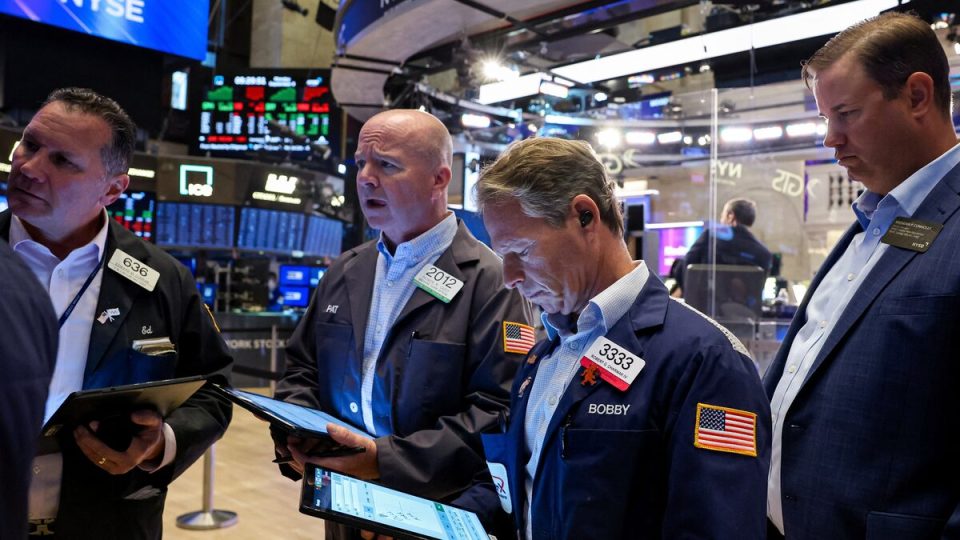
Picture a typical trading day turning upside down fast. This morning U.S. stock markets took a sharp hit after a brief recovery the day before. The Dow Jones Industrial Average plunged over 1,250 points in early trading, a drop of 2.5%, closing around 47,650. That marked the blue-chip index’s biggest one-day loss since April 10, 2025. The S&P 500 fell 2.2%, and the Nasdaq Composite shed more than 2.6% as well.
Monday had looked promising. Stocks bounced back strongly, with the S&P 500 and Nasdaq wiping out early losses to end slightly higher. The Dow also clawed back from deep lows. Traders followed an old Wall Street habit during geopolitical flare-ups: buy when prices dip, assuming the trouble would pass without much economic damage.
Overnight news changed everything. The conflict between the U.S. and Iran, now in its fourth day, showed signs of worsening. An Iranian Revolutionary Guard commander declared the Strait of Hormuz closed, Reuters reported via Iranian media. That narrow waterway handles about 20% of the world’s oil supply. Iran threatened to torch any ships trying to pass through.
Other reports painted a grim picture. Drones struck the U.S. embassy in Riyadh, Saudi Arabia’s capital, as Iran ramped up attacks on the kingdom. The U.S. State Department ordered staff evacuations from Bahrain, Iraq, and Jordan. Tehran-backed Hezbollah launched missiles and drones at Tel Aviv. Gulf nations like the UAE faced growing strain on their air defenses from nonstop Iranian barrages.
Oil prices reacted fiercely. West Texas Intermediate crude leaped 8% to over $77 a barrel, also building on Monday’s 6% rise. The halt in Qatar’s liquefied natural gas production after Iranian drone strikes added fuel to the fire. European natural gas futures rocketed more than 70% in just two days.
President Trump has cautioned that the fighting could stretch beyond four weeks. These energy spikes raised fresh inflation worries. U.S. investors counted on Federal Reserve rate cuts to lift the economy, but soaring fuel costs threatened to undo that. Treasury yields climbed as markets priced in higher borrowing costs worldwide.
The CBOE Volatility Index, often called Wall Street’s fear gauge, spiked to its highest level since November 2025, up sharply that day. Gold prices dipped after Monday’s rise, leaving few safe spots for investors. Most S&P 500 stocks traded lower, except energy names that bucked the trend.
Analyst Adam Crisafulli from Vital Knowledge captured the mood shift. Markets brushed off the Middle East war at first, but overnight fears grew. A leaderless Iran might unleash weeks of chaos by hitting energy infrastructure across the region. U.S. and Israeli forces dominate militarily, yet they cannot stop every low-cost Iranian missile or drone. Interceptor supplies dwindle fast under constant fire.
Blackstone Inc. (NYSE: BX) stood out with an 8% share drop. The Financial Times revealed $1.7 billion in net outflows from its flagship private credit fund in the first quarter. That equaled about 7.9% of assets, above normal levels, hinting at jitters in private lending.
Evacuations signal real risks beyond headlines. Hezbollah strikes on Tel Aviv widen the chaos. Traders now brace for drawn-out disruption, not quick fixes. Energy realities dominate, pushing yields up and stocks down. As dawn broke on today, crude held high and equities opened soft, with eyes on every conflict update.
