
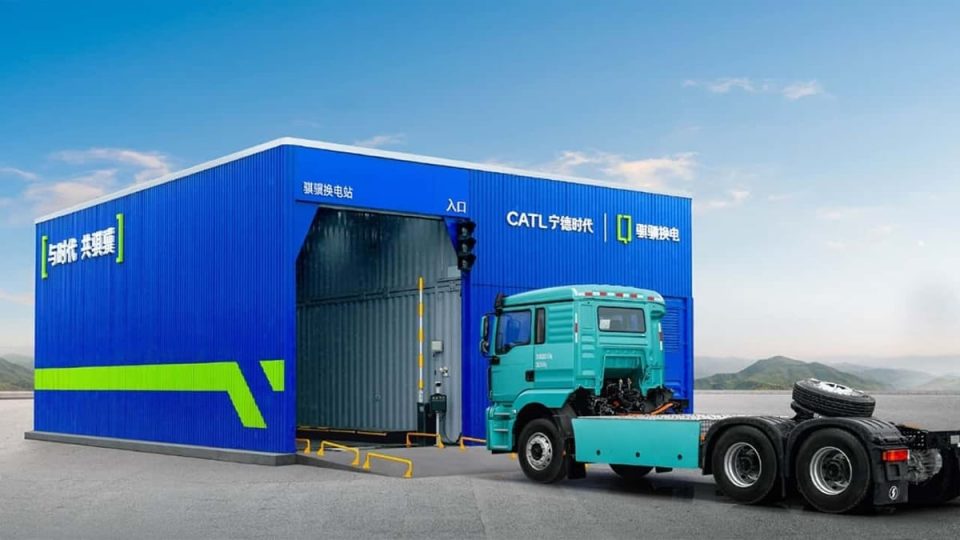
China is undergoing a significant transformation in its truck market, shifting away from diesel toward electric vehicles at a pace few anticipated. This shift is poised to influence global energy demand, particularly in diesel fuel and liquefied natural gas (LNG). The change reflects more than a technological transition: it signals evolving economic and environmental priorities with reverberations beyond China’s borders.
Recent data reveals that electric heavy trucks already account for approximately 25% of new truck sales in China for 2025’s first half. This represents a substantial increase from just 13% last year and is part of a broader surge in new energy trucks, including battery-electric, hybrid, and fuel-cell models. Total new energy commercial vehicle sales are expected to total around 800,000 units this year, with an overall penetration rate nearing 26% to 28% across the commercial truck segment.
The rise of electric trucks is impacting the demand for both diesel and LNG, two fuels traditionally dominant in China’s freight transportation. Diesel consumption in the sector is forecasted to fall by roughly 6.3% in 2025, with projections pointing toward a 40% reduction in diesel use by 2030 compared to current levels. This represents about a 25% decrease in overall diesel demand versus 2024’s consumption. The transportation sector, responsible for about two-thirds of diesel consumption in China, is leading this shift.
Meanwhile, LNG trucks, which enjoyed rapid growth in recent years, are facing headwinds. Sales of LNG-powered trucks have declined by approximately 15% compared to the first half of 2024, partly due to rising natural gas prices and limited refueling infrastructure outside major hubs. Although LNG still holds a roughly 26% share of the heavy truck market, its momentum is waning amid the electric truck surge. This rapid growth of battery-electric trucks, which offer lower operating costs and benefit from government subsidies, is changing fleet operators’ purchasing decisions.
Fuel cost economics appear pivotal in this transition. Battery-electric truck owners enjoy operating cost advantages in the range of 10% to 26% compared to diesel counterparts. Subsidies provided by the Chinese government, which can reach upwards of $13,000 per new electric truck, further accelerate adoption. Improvements in charging infrastructure have also addressed some logistical challenges, enabling even long-distance uses previously thought unfeasible for electric trucks.
China’s shift is not occurring in isolation. While the country leads global electric truck sales by a wide margin, with sales nearly doubling year over year and comprising over 80% of global electric truck sales, other regions are advancing at a slower pace. Europe and the U.S. continue to see some growth in new energy trucks, but sales penetration remains significantly lower, around 2% in Europe and just about 1% in the U.S. for heavy-duty trucks. Factors such as infrastructure readiness, regulatory incentives, and total cost of ownership continue to shape regional adoption differences.
This fast-paced electrification in China’s heavy trucking sector has important implications globally. As the largest importer of crude oil, China’s reduced diesel demand could contribute to shifts in global oil markets, potentially hastening the peak in Chinese oil consumption. The softening LNG truck demand may also temper expectations of LNG market growth linked to transport applications. These developments could prompt energy market analysts and policymakers worldwide to revise forecasts and strategies around fossil fuel demand and energy transition timelines.
China’s accelerating adoption of electric trucks is reshaping the demand landscape for both diesel and LNG fuels. While the immediate effect is a tangible decline in diesel consumption and a slowdown in LNG truck sales within China, the ripple effects are being felt in global fuel markets. The technological and economic forces driving this transition highlight China’s unique role as an energy market influencer, while other regions watch and adapt at their own pace.
